Romance Scams in Australia: How to Spot and Avoid Them (2026)
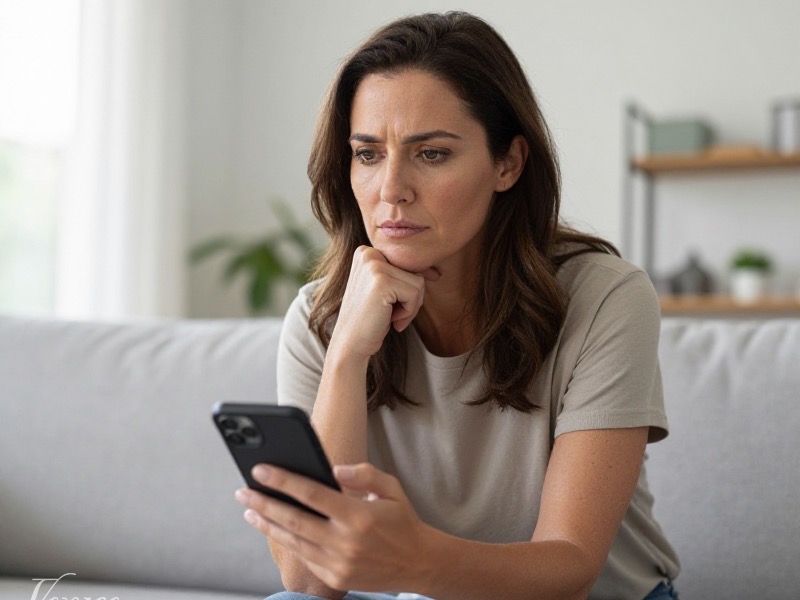
You match with someone charming. Within days the messages feel like a love story. Then, weeks later, comes a problem only your money can solve. That is not bad luck — it is a script, run by an organised criminal who never intended to meet you. Romance scams are now one of the most damaging fraud types facing Australians, and they are getting harder to recognise.
This guide explains exactly how the scam works, the warning signs to watch for, how to verify whether someone is real, and the precise channels to report a romance scam in Australia. The aim is simple: help you keep your heart open and your bank account safe.
How big is the romance-scam problem in Australia?
Romance scams cost Australians dearly. The National Anti-Scam Centre (NASC), which runs Scamwatch, has recorded yearly dating and romance losses well into the tens of millions of dollars, and the ACCC's annual "Targeting Scams" report places total reported scam losses across all categories in the billions of AUD. Romance scams consistently rank among the highest by average loss per victim, often tens of thousands of dollars each.
The numbers almost certainly understate reality. The ACCC has long noted that romance-scam victims under-report because of shame, so the true figure is higher than any official total. Globally, cybersecurity firm Kaspersky (2025) reports that fraudsters increasingly use AI-generated images and scripted chat to scale these schemes, which is one reason average losses keep climbing year on year.
How does a romance scam actually work?
Romance scams follow a remarkably consistent playbook. Understanding the stages is the single best defence, because once you can name what is happening, the spell breaks. According to DataReportal's Digital 2025 Australia report, the vast majority of Australian adults are active on social and messaging platforms, which gives scammers an enormous pool of potential targets to work through.
Stage 1: The perfect match and love-bombing
The scammer's profile is flawless — attractive, successful, often working overseas (military deployment, offshore oil rig, international doctor, crypto trader). Early on they shower you with affection, calling you their soulmate within days. This intense flattery, known as love-bombing, is designed to create emotional dependence fast, before your guard goes up.
Stage 2: Moving you off the dating platform
Very quickly they push to continue the chat on WhatsApp, Telegram, Google Chat or text. Why? Dating apps actively scan for and ban scammers, so criminals want you somewhere unmoderated. The eSafety Commissioner specifically warns that moving conversations off the original platform removes the safety tools that could protect you.
Stage 3: The video-call excuses
You will never get a normal video call. The camera is "broken," the connection in their remote location is "terrible," or they are suddenly called away. Real, ongoing refusal to appear live on camera is one of the clearest signs you are talking to someone who is not who they claim to be.
Stage 4: The eventual money request
After weeks or months of devotion comes a crisis: a medical emergency, customs fees to release a gift they sent you, a frozen account, or a "guaranteed" crypto investment they want to share with you. The request almost always involves untraceable payment — cryptocurrency, gift cards, or international wire transfers. Once you send money, the requests never stop until you do.
What are the red flags of a romance scammer?
Scamwatch and the ACCC have catalogued thousands of cases, and the warning signs are consistent. If several of these apply to someone you have met online, treat it as a serious warning. You do not need certainty to protect yourself — you only need to stop sending money.
- Declares love unusually fast, often within days, before you have spoken on camera.
- Profile looks too good to be true — model-grade photos, glamorous job, lavish lifestyle.
- Always has a reason they cannot video call or meet in person.
- Pushes to move off the dating app to a private messaging service early.
- Claims to be Australian but working or travelling overseas, which conveniently explains why you can never meet.
- Stories do not add up — details change, English wavers, time zones make no sense.
- Eventually asks for money, an investment, or help with a financial "emergency."
- Requests payment in crypto, gift cards or wire transfer — methods that are nearly impossible to reverse.
- Becomes manipulative or guilt-trips you if you hesitate, mixing affection with pressure.
A short story: how "David" cost Margaret her savings
Margaret, a 58-year-old widow from Newcastle (name changed), matched with "David," a charming engineer supposedly working on a project in Dubai. He messaged morning and night, remembered every detail about her late husband, and talked about retiring together on the Central Coast. Within two weeks he had moved their chats to WhatsApp. He never video-called — the site connection was "shocking," he said.
Three months in, David's payment for a contract was "frozen" and he needed AUD $9,000 to release it, promising to repay double. Margaret sent it. Then came another fee, and another. By the time her daughter recognised the pattern, Margaret had sent more than AUD $40,000. "David" vanished. Her story is painfully ordinary, and that is precisely why the playbook is worth learning.
How do you verify someone you met online is real?
Verification is your strongest tool, and most scammers fail it instantly. The eSafety Commissioner recommends confirming identity through live interaction before any emotional or financial commitment. Kaspersky (2025) found that a large share of romance scammers reuse stolen photos, so a few simple checks will expose many of them in minutes.
- Reverse-image-search their photos. Drop their pictures into Google Images or TinEye. If the same face appears under different names or on stock-photo sites, walk away.
- Insist on a live video call early. A real person will happily appear on camera. Chronic excuses are the answer.
- Cross-check their details. Search their name, job and any company they mention. Scammers borrow real identities, so look for inconsistencies.
- Never send money or share banking details with someone you have not met face to face. This single rule prevents almost every romance-scam loss.
- Slow down. Scammers manufacture urgency. Genuine relationships are patient; scams are not.
What should you do if you have been targeted by a romance scam?
If you suspect a scam, act quickly and without embarrassment — these criminals are professionals, and being targeted is not your fault. The ACCC's "Targeting Scams" report stresses that fast reporting improves the small chance of recovering funds and, just as importantly, helps authorities disrupt the networks behind these crimes.
Step 1: Stop all contact and send no more money
Cut communication immediately. Do not send a "final" payment, and ignore threats or fresh promises. Once a scammer knows you will pay, they will keep extracting money for as long as you allow it.
Step 2: Contact your bank straight away
Call your bank or card provider the moment you realise you have sent money. They may be able to halt a transfer, reverse a transaction, or freeze further payments, especially if you act within hours.
Step 3: Report it to the right Australian authorities
- Scamwatch (National Anti-Scam Centre): report online at scamwatch.gov.au. This feeds the ACCC's national data and warns others.
- ReportCyber (run by the Australian Cyber Security Centre, ACSC): if you have lost money or data, lodge a report at cyber.gov.au, which routes cybercrime to police.
- Your platform: report and block the profile on the dating app or messaging service so others are protected.
- eSafety Commissioner: if intimate images were shared or you are being threatened with them, seek help at esafety.gov.au.
Keep every message, receipt and account detail. This evidence supports investigations and any claim you make to your bank.
How can a verified, moderated dating service reduce your risk?
Where you meet people matters. Unmoderated apps and open chat groups are exactly where scammers prefer to operate, because no one is checking who is real. Statista's online-dating research (2024) shows trust and safety are now the top concerns for users choosing a platform, ahead of features or price.
A safer approach is to use a service built around verification and consent rather than open messaging. DateWiz is a free dating bot on Telegram designed with safety at its core: profiles go through verification, and you only start chatting after a mutual match, so strangers cannot bombard you with unsolicited messages or love-bombing the way they do elsewhere. Your phone number stays hidden, chat is free, and a built-in report-and-block tool lets you remove anyone who seems off.
None of this replaces your own judgement — the red flags above still apply — but meeting people through a moderated, mutual-match service removes much of the surface area scammers rely on. If you would rather start somewhere that screens for genuine people, you can open DateWiz on Telegram and set up a verified profile in a couple of minutes.
The bottom line for Australian daters in 2026
Romance scams work because they target hope, not gullibility. Anyone can be drawn in by someone who seems to understand them perfectly. The defence is not to stop looking for love online — it is to date with your eyes open: insist on an early video call, reverse-search photos, never send money to someone you have not met, and report anything suspicious to Scamwatch and ReportCyber. Learn the playbook once, and the next "David" or "Sarah" with a sob story and a payment request will be easy to recognise. Stay warm, stay sceptical, and keep your savings where they belong.